Dog Cute Vector: A Designer’s Real-World Embroidery Review
First Impressions: Sweet, Simple, and Stitch-Ready
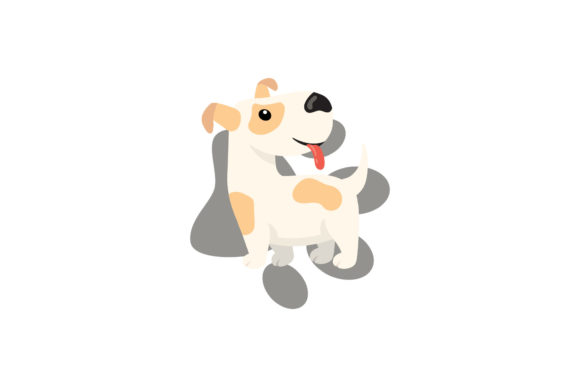
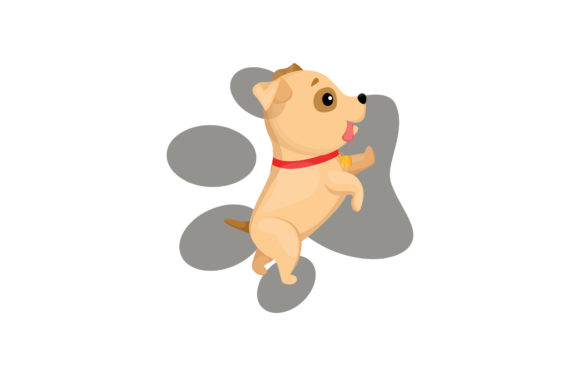
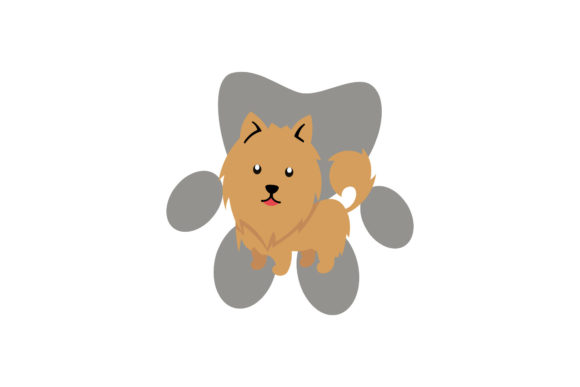
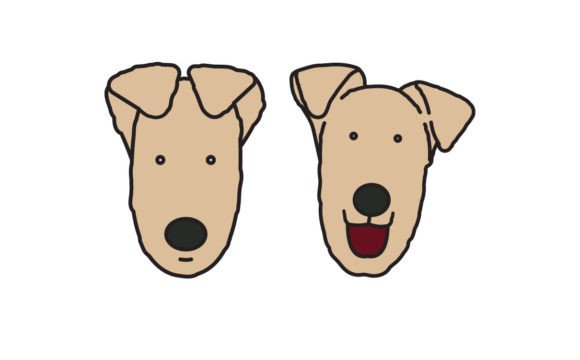
Opening Dog Cute Vector feels like unboxing a well-considered sketch—clean lines, balanced proportions, and that unmistakable “aww” factor without tipping into cutesy overload. It’s not hyper-detailed or fussy; it’s a confident, friendly dog silhouette with gentle curves, soft facial features, and intentional negative space. As an illustrator and embroidery designer who’s stitched hundreds of animal motifs, I immediately recognized its quiet versatility: this isn’t just clipart—it’s a design built for translation into thread.
Where It Shines: Real Projects, Real Customers
Last week, I used Dog Cute Vector to develop a limited-run embroidered tote bag for a local pet boutique. We paired it with a muted oatmeal canvas and tonal ecru thread—no outline, no fill-heavy elements, just a crisp satin-stitched contour and subtle interior details. The result? Instant recognition, warmth, and a handmade charm that customers kept touching. That’s the strength of Dog Cute Vector: it reads clearly at 3–4 inches wide, holds up on textured fabrics like canvas or terry cloth, and doesn’t fight the fabric’s personality.
It works especially well for sweatshirt embroidery—where dense fill stitches can flatten texture—and baby embroidery, where simplicity supports safety and softness. I’ve also tested it as an embroidered patch (with heat-seal backing) on denim aprons and organic cotton tea towels. In every case, the clean vector geometry translated cleanly into stitch paths: minimal jump stitches, logical travel order, and no micro-details that vanish under thread.
When to Pause and Plan Ahead
Dog Cute Vector is charming—but it’s not universally forgiving. On stretchy fabrics like jersey or ribbed knits, I recommend testing with light cutaway stabilizer and reducing stitch density in curved areas. The design’s smooth outlines rely on consistent tension; without proper stabilization, those gentle arcs can pucker or distort, especially around the ears or snout.
For caps or curved surfaces, scale matters. At under 2.5 inches tall, some subtlety gets lost—so I suggest using Dog Cute Vector at 3–3.75 inches for headwear. And while it’s lovely on dark fabric, avoid pairing it with low-contrast thread colors unless you’re aiming for a tone-on-tone effect. This isn’t a high-contrast graphic—it’s a tactile illustration, so thread choice directly affects perceived clarity.
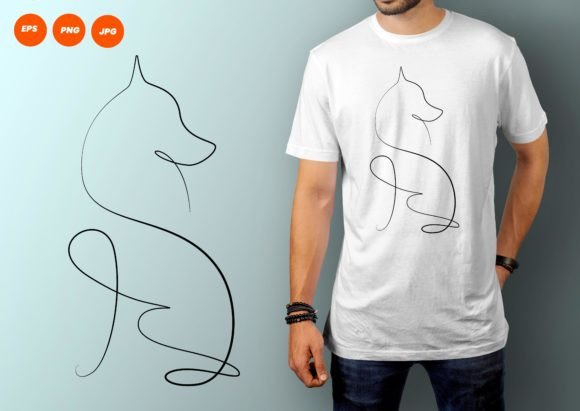
Also worth noting: because it’s delivered as AI, EPS, and SVG files (plus two more digital formats), Dog Cute Vector is inherently scalable—but that doesn’t mean every size embroiders equally well. Very small applications (under 1.75”) risk losing definition in satin-stitched eyes or nostrils. If you’re planning a tiny cap front or baby onesie chest logo, zoom in on the vector paths first. Check for anchor points that might create unintended stitch clusters.
Design Integrity Meets Commercial Reality
As an Etsy seller and small shop product developer, I pay close attention to how a design affects buyer trust and perceived value. Dog Cute Vector lands well here—not flashy, but polished. Customers respond to its sincerity. When used on personalized gifts (like a custom pillow cover for a new dog owner), it feels thoughtful, not mass-produced. That authenticity supports brand consistency, especially for makers building a cohesive line of nursery decor, holiday embroidery, or boutique apparel.
It also performs strongly in digital contexts: I’ve dropped Dog Cute Vector into printable mockups for client pitches and social media previews, and its 1920px × 1280px canvas size gives plenty of room for clean cropping and branding space. As a Graphics asset, it bridges illustration and craft utility—unlike overly stylized vectors that look great on screen but fray in thread.
Practical Notes from the Hoop
Before stitching your first Dog Cute Vector project:
- Test on scrap fabric first—especially if using textured, dark, or lightweight material.
- Review stitch density in your embroidery software. Look for any unusually tight fill zones that may cause stiffness or puckering.
- Confirm hoop size compatibility. While the vector itself scales freely, your machine’s maximum hoop area sets real-world limits.
- Inspect small details like eye highlights or ear contours—they should convert cleanly to satin or running stitch, not break into fragmented fill segments.
- Try black-and-white mockups to assess contrast and legibility before committing to thread colors.
- Compare performance on light vs. dark fabric—some subtle gradients or thin strokes may need adjustment for visibility.
- Use appropriate stabilizer: medium-weight tear-away for stable wovens, cutaway for knits or high-wear items like tote bags.
- Verify licensing terms before selling finished products or bundling Dog Cute Vector as part of a digital embroidery file pack—this is critical for Etsy sellers and craft business owners.
Final Thought: A Quiet Workhorse, Not a Flashy Gimmick
Dog Cute Vector won’t dominate a tradeshow booth or go viral on its own—but it will reliably elevate a handmade product, strengthen a small shop’s visual identity, and earn repeat nods of approval from customers who appreciate intention over intensity. It’s the kind of Illustrations asset that disappears into the craft, supporting the story of the item rather than shouting over it. Whether you’re stitching a holiday embroidery gift, developing a line of custom apparel, or sourcing design assets for commercial embroidery, Dog Cute Vector earns its place—not through novelty, but through quiet, stitch-savvy reliability.