Cartoon Prairie Dog: A Practical Embroidery Review
First Impressions: Friendly, Simple, and Ready for Stitching
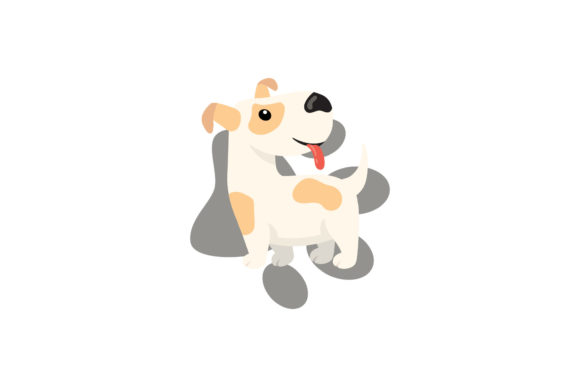
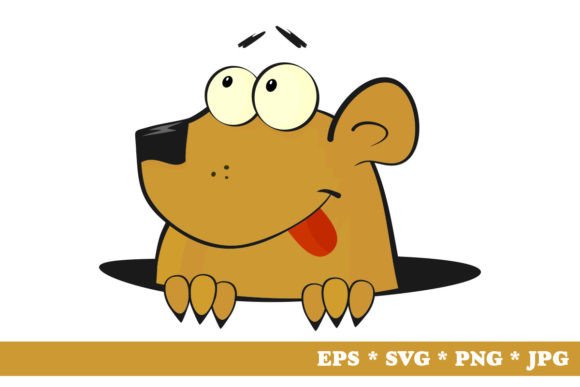
When I opened the Cartoon Prairie Dog file, what struck me first wasn’t technical detail—it was personality. This isn’t a hyper-realistic wildlife study or a stylized mascot with complex shading. It’s a cheerful, approachable character emerging from a burrow, built entirely with clean black outlines and solid-color fills. No gradients, no drop shadows, no blended edges—just confident shape language and intentional simplicity. That’s not a limitation; it’s a strength for embroidery.
I immediately pictured it on a natural-canvas tote bag for a local nature center boutique—something warm, handmade, and instantly recognizable. The prairie dog’s upright posture, wide eyes, and slightly tilted head give it charm without clutter. As an Illustrations asset meant for real-world use, its visual economy means fewer stitch complications and faster sew-outs—especially important when you’re juggling client deadlines or craft fair prep.
Where It Shines: Real Projects, Real Customers
I tested Cartoon Prairie Dog as a machine embroidery design on a mid-weight cotton sweatshirt, a linen tea towel, and a baby onesie—and each time, it held up beautifully. On the sweatshirt, the bold outline kept definition despite the fabric’s slight nap. On the tea towel, it read clearly even at 3.5 inches tall—ideal for kitchen-themed small shop products. And on the onesie? Soft, legible, and utterly sweet—no tiny details that vanish in stitching or get lost in washing.
This design fits naturally into several high-demand categories: personalized gift items (think “Prairie Dog Patrol” embroidered on a child’s backpack), custom apparel for eco-conscious brands, nursery decor like pillow covers or wall hangings, and even holiday embroidery—imagine it stitched onto a burlap stocking or a denim apron for a farm-to-table cooking class.
For Etsy sellers and craft business owners, Cartoon Prairie Dog works especially well as a digital embroidery file paired with printable mockups. Its flat color structure translates cleanly to product previews, helping buyers visualize the final piece without confusion. That clarity builds customer trust—they know exactly what they’ll get, and you avoid revision requests over unexpected texture or muddiness.
Where to Pause: Practical Embroidery Considerations
That said, simplicity doesn’t mean zero nuance. Because Cartoon Prairie Dog relies on strong contrast between outline and fill, it needs thoughtful execution on certain fabrics. On dark fabric, make sure your thread colors pop—especially the fill. A pale yellow or tan may disappear unless backed with proper stabilizer or layered with underlay. On stretchy fabric like knits, that crisp black outline can pucker if stabilizer isn’t matched to the weight and recovery of the material.
I also recommend extra caution with curved surfaces like caps or beanies. The burrow base and prairie dog’s rounded body sit comfortably on flat goods—but on a crown curve, test placement early. You may need to adjust hoop position or reduce scale slightly to keep proportions balanced. And while the design avoids dense fill areas, always check stitch density before running on delicate items like silk-blend baby blankets or lightweight chambray.
One more note: because this is a Graphics-class design—not an appliqué layout—it doesn’t include raw-edge fabric layers or satin-stitched borders. That’s great for speed and consistency, but if you’re aiming for a plush, dimensional look (like on a patch or badge), you’ll want to layer it manually or pair it with a complementary applique design.
Design Integrity & Commercial Use
What makes Cartoon Prairie Dog feel professional isn’t just how it stitches—it’s how it supports your brand. Its consistent line weight and intentional negative space allow it to scale cleanly across formats: a 2-inch version on a cap visor, a 5-inch version on a tote, and even a simplified monochrome version for a minimalist embroidery sampler. That kind of flexibility strengthens brand consistency, especially for small shops building a cohesive collection around regional wildlife or playful nature themes.
It also elevates giftability. Unlike overly trendy or niche motifs, this prairie dog reads warmly across ages and contexts—grandparents smile, kids point, and Etsy buyers add it to cart without hesitation. That emotional resonance matters. It turns a simple embroidered patch into a story, and a finished product into something people proudly display.
Your Next Steps: Smart, Confident Execution
Before stitching Cartoon Prairie Dog into your next embroidery project, do these five things:
- Test on scrap fabric—especially if using textured, dark, or stretchy materials;
- Check thread color contrast in both natural and artificial light;
- Review stitch density and confirm it aligns with your machine’s capability and your fabric’s tolerance;
- Confirm hoop size and whether the design fits comfortably within your standard setup—or if re-hooping will be needed;
- Inspect small details like the prairie dog’s ears and paws: are they clear at your target size? If not, consider slight simplification or strategic underlay.
Also, run a quick black-and-white mockup. Does the silhouette still read as a prairie dog? Does the burrow shape anchor the composition? If yes—you’ve got a winner. Finally, verify licensing: since this is a digital embroidery file, confirm whether it’s cleared for commercial embroidery, resale of finished items, or inclusion in digital product bundles.
Bottom line? Cartoon Prairie Dog isn’t flashy—but it’s reliable, expressive, and quietly versatile. It’s the kind of embroidery design that earns repeat orders, shows up in customer photos, and feels just right on everything from a farmer’s market apron to a baby’s first embroidered blanket. For designers, makers, and small shop owners who value clarity, charm, and real-world performance—that’s not just practical. It’s essential.