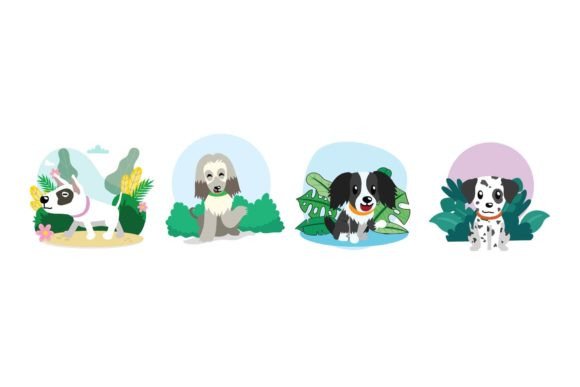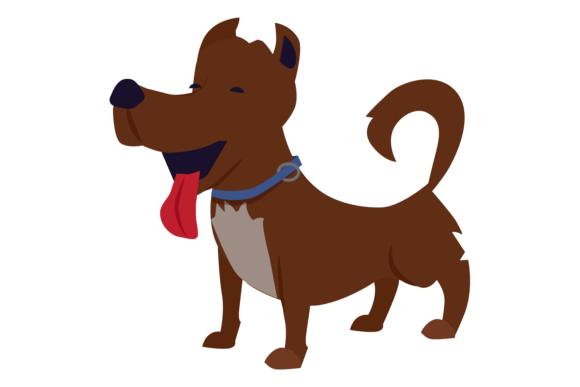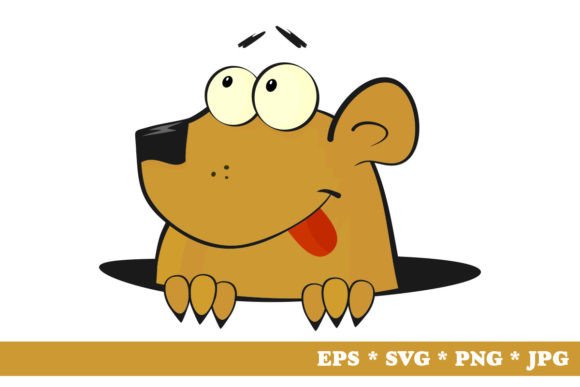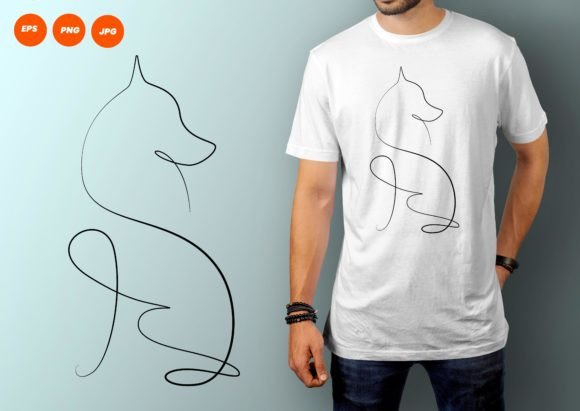
Furry Dog Happy Isolated Two
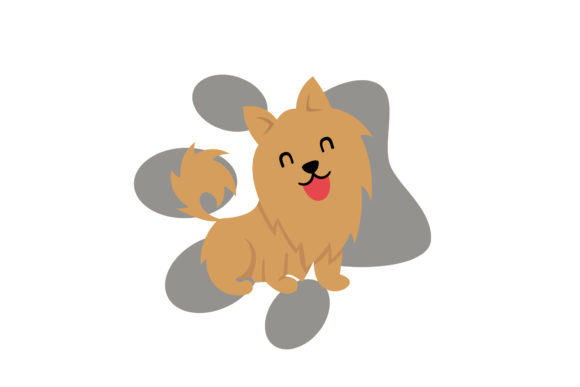
As someone who’s stitched hundreds of dog-themed designs—from delicate nursery pillows to bold tote bags for local pet boutiques—I opened Furry Dog Happy Isolated Two with quiet curiosity, not hype. This isn’t a flashy mascot or a hyper-detailed portrait. It’s a clean, joyful vector illustration of a fluffy dog mid-wag, isolated on transparent background, built for flexibility. And that simplicity? That’s its real strength—if you know how to translate it into thread.
A First Stitch Tells the Whole Story
The moment I dropped Furry Dog Happy Isolated Two into my digitizing software, I noticed what makes it work: generous negative space, smooth silhouette curves, and intentional minimalism in facial features—just two soft eyes, a subtle smile curve, and expressive ears. No tiny whiskers, no layered fur textures, no complex shading. That’s not a limitation—it’s design discipline. For embroidery, especially on apparel or home goods, that means fewer stitch jumps, less risk of puckering, and faster sew-out times. I immediately pictured it stitched on a natural cotton canvas tote for a local dog rescue fundraiser: friendly, legible at 3.5 inches wide, and warm without being cutesy.
Where It Shines (and Where It Asks for Care)
Furry Dog Happy Isolated Two thrives in projects where charm meets clarity. On a medium-weight sweatshirt? Perfect—its rounded shape fills the chest area evenly, and the open silhouette avoids heavy fill-stitch density that can stiffen fabric. On a baby onesie? Ideal—no fine details that’ll blur after washing, and the happy expression reads instantly even at 2.75". As an embroidered patch? Strong candidate—clean edges mean crisp satin-stitch borders, and the isolation makes it easy to cut and apply.
But let’s be practical: this design doesn’t pretend to be everything. On thin or stretchy fabrics like lightweight jersey or ribbed knit caps, you’ll want extra stabilizer—especially under the ears and chin, where gentle curves can distort. On dark fabric, test your thread colors early: light tans or creamy off-whites pop beautifully, but avoid pale yellows that disappear. And if you’re planning a holiday embroidery run—say, on tea towels for a boutique gift set—remember that dense fill areas (like the dog’s body) benefit from moderate stitch density; too tight, and the towel’s texture fights back.
Real-World Fit: From Etsy Listings to Boutique Shelves
I recently used Furry Dog Happy Isolated Two as the centerpiece for a small batch of linen pillow covers sold through my Etsy shop. Customers loved the balance: whimsical enough for a dog-loving grandma, refined enough for a modern nursery. The isolation made mockups effortless—I dropped it into printable mockups on beige, charcoal, and oat linen backgrounds, and each version felt intentional. No redesigning, no masking, no guesswork. That saves time—and time is margin when you're a solo craft business.
For small shop owners building cohesive branding, this design plays well with supporting elements: pair it with a simple sans-serif “Biscuit & Co.” underneath for a custom apron line, or scale it down subtly on the hem of a dog-themed kitchen towel set. It doesn’t shout—it invites. And that builds trust: customers sense thoughtful curation, not clip-art clutter.
What Handmade Sellers Need to Know Before They Stitch
If you’re an Etsy seller, craft fair vendor, or small-batch apparel decorator, here’s what I’d tell you before loading Furry Dog Happy Isolated Two into your machine:
- Always test on scrap fabric first—especially if using textured weaves or blends. Watch how the ears and snout hold shape after stitching and washing.
- Check thread color contrast on both light and dark backgrounds. A single-color version in navy thread on cream linen looked elegant; the same in pastel pink on heather grey lost definition.
- Review stitch density in your embroidery file. If it’s too high for the fabric weight, reduce fill density by 10–15%—this keeps the design soft and wearable.
- Confirm hoop size compatibility. At standard 4" x 4", it fits comfortably—but if you’re scaling up for a blanket or down for a keychain patch, verify proportions stay balanced.
- Inspect small details in black-and-white mockups. Does the smile still read? Do the eyes retain personality? If not, a slight tweak in satin-stitch angle or outline weight helps.
- Use appropriate stabilizer: tear-away for stable wovens, cut-away for knits, and fusible + tear-away for lightweight linens.
- Verify licensing before selling finished products or digital embroidery files. Since Furry Dog Happy Isolated Two is labeled for logos, illustrations, and t-shirt designs, confirm whether commercial embroidery use is explicitly permitted.
Why This Design Feels Like a Trusted Tool, Not Just Another Graphic
Illustrations like Furry Dog Happy Isolated Two succeed because they respect the craft—not just the screen. They don’t overload with vector points that become stitch nightmares. They don’t rely on gradients or transparency that vanish in thread. Instead, they offer rhythm: curved lines that guide the needle, open shapes that breathe on fabric, and emotional resonance that lands whether stitched on a baby cap or a boutique apron.
It’s the kind of design that makes customers pause—not because it’s loud, but because it feels *known*. Like the dog isn’t just drawn—it’s remembered. That’s rare. And for creative entrepreneurs building handmade product lines, holiday collections, or personalized gifts, that quiet authenticity is worth more than complexity.
So yes—Furry Dog Happy Isolated Two works. Not because it’s perfect, but because it’s purpose-built: for clarity, for kindness, for the quiet confidence of a well-chosen stitch.