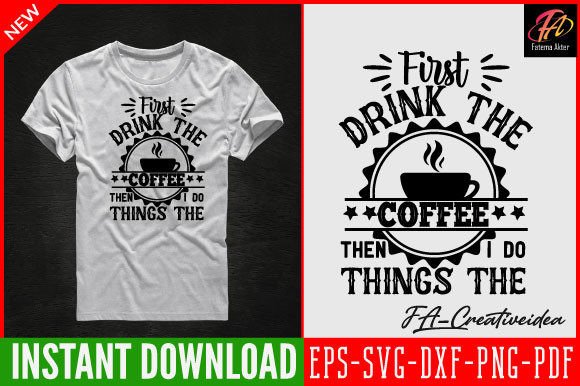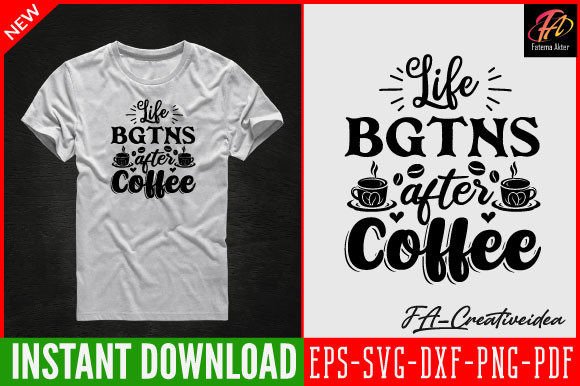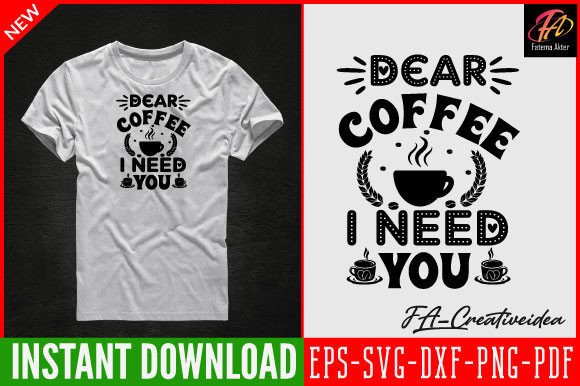
Dear Coffee I Need You SVG Design
A Designer’s First Look: Charm with a Hint of Caution
When Dear Coffee I Need You SVG Design landed in my inbox, I paused—not because it’s flashy, but because it’s disarmingly familiar. That kind of warmth is rare in digital embroidery files. The script feels handwritten but legible, the spacing generous, and the phrase itself lands like a quiet inside joke between maker and wearer. It’s not trying to shout from a billboard; it leans into comfort, routine, and gentle humor—ideal for handmade products where personality matters more than polish.
This Design Belongs on Something You’d Actually Reach For Daily
Last week, I prepped a batch of linen tea towels for a local boutique’s spring launch—and this was the first design I pulled up. Why? Because Dear Coffee I Need You SVG Design doesn’t just sit on fabric; it *belongs* there. On a kitchen towel, it reads like a morning ritual made visible. On a cotton tote bag, it softens the utilitarian vibe with wit and warmth. I stitched it onto a midweight unisex sweatshirt using black thread on heather grey fleece—and the result felt cohesive, intentional, and quietly confident. No over-engineering, no visual noise. Just clarity, charm, and wearability.
Where It Shines (and Where It Asks for Extra Care)
Dear Coffee I Need You SVG Design performs well across common embroidery projects—but its strength lies in balance, not boldness. It works beautifully on:
- Tote bags and aprons (medium-to-large hoop sizes, stable fabrics)
- Sweatshirts and crewneck tees (especially with light stabilizer backing)
- Pillow covers and baby onesies (when scaled thoughtfully—more on that below)
- Embroidered patches (great candidate for satin-stitched edges and clean fill areas)
- Holiday or wedding gifts (think “bridesmaid coffee mugs” or “new parent survival kits”)
But here’s what I watched closely: the lettering. Those delicate loops in “Dear” and the slender tail of “You” are elegant—but they’re also the first to blur on thin cotton, stretchy knits, or dark fabric without proper contrast testing. On a curved cap front? I’d recommend simplifying or reworking the layout unless you’re stitching into a structured, pre-hooped cap frame. And on textured fabrics like terry cloth or bouclé, the fine details can disappear unless stitch density is adjusted manually.
Real Talk for Craft Business Owners and Etsy Sellers
If you’re listing this as part of your craft business or Etsy shop, know this: Dear Coffee I Need You SVG Design adds instant relatability—but only if it’s executed cleanly. Customers scrolling for “fun coffee gifts” or “mom life embroidery” will click fast, but they’ll judge the finished product by how crisp the “e” in “Need” looks under natural light. A slightly fuzzy stitch there undermines the whole handmade promise. So yes—it’s an easy sell, but it’s not a set-and-forget file.
I tested it across three thread colors (black, cream, and navy) on both light and dark blanks. Black on off-white cotton gave the strongest readability. Cream on charcoal required extra stabilizer and slower stitching speed to avoid puckering. Navy on oatmeal looked lovely—but only after I reduced fill stitch density by 15% to prevent stiffness. That kind of nuance matters when you’re selling $48 embroidered sweatshirts and want repeat buyers.
Design Assets That Build Trust—Not Just Traffic
What makes Dear Coffee I Need You SVG Design valuable beyond the stitch file itself is its emotional resonance. It’s not generic. It’s not trend-chasing. It’s a small, human phrase that fits naturally into real lives—making it ideal for printable mockups, social media previews, and boutique branding. When used in a cohesive collection (say, paired with a “But First, Matcha” or “This Is My Calm” design), it builds brand voice—not just inventory.
That said, don’t assume licensing covers commercial resale of finished items or digital bundles. The product description says it’s for “yourself, friends, family, or anyone who supports your Special D”—which suggests personal and small-scale use. If you’re an Etsy seller planning to offer stitched-on-demand items or resell the file as part of a design pack, verify the license terms directly with FA_Creativeidea Design Store before listing.
Practical Embroidery Designer Notes You’ll Actually Use
Before stitching your first client piece or shop batch, do these six things:
- Test on scrap fabric—especially if using textured, stretchy, or dark material.
- Check thread color contrast in natural light, not just on screen.
- Review stitch density—this design doesn’t need heavy fills, so reduce where possible to keep fabric drape intact.
- Confirm hoop size compatibility; it scales well, but tiny versions (<1.5”) risk losing letter clarity.
- Inspect corners and curves—the “D” in “Dear” and “e” in “Need” have tight turns that may need slight digitizing tweaks for dense satin stitch.
- Try black-and-white mockups—it reveals contrast issues faster than color previews ever will.
Final Thought: A Design That Works When You Do
Dear Coffee I Need You SVG Design isn’t showstopping—but it’s deeply useful. It fits seamlessly into T-Shirt Designs collections, works across Graphics formats, and translates reliably from digital file to embroidered patch, tote bag design, or baby embroidery project. It won’t win awards for technical complexity, but it earns loyalty for authenticity. And in a market flooded with overdesigned, overpromised digital embroidery files, that kind of grounded, wearable sincerity is rare—and worth protecting with thoughtful execution.