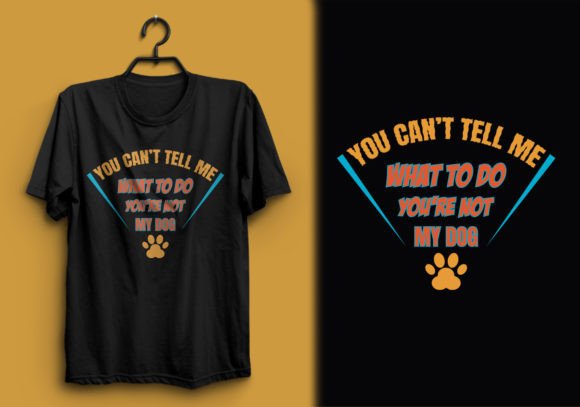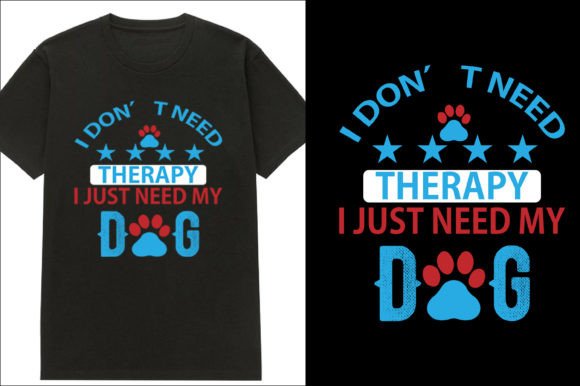
I Don’t Need Therapy Dog T-Shirt Design
First Impressions: A Witty, Warm, and Wearable Vibe
When I opened I Don’t Need Therapy Dog T-shirt Design, I smiled—not just at the humor, but at how instantly readable it felt. The layout is clean, centered, and built for impact: bold, friendly lettering paired with a simple, expressive dog illustration (likely stylized, not photorealistic). It’s clearly designed as a Graphics asset meant for screen printing or digital apparel—but as an embroidery designer, my first question wasn’t “Does it look cute?” It was, “Will this translate cleanly into thread without losing its charm—or its legibility?”
A Real-World Test: Embroidering This on a Linen Tote Bag
Last week, I prepped I Don’t Need Therapy Dog T-shirt Design for a custom linen tote bag order—part of a small-batch holiday collection for a local boutique. Linen’s texture and slight looseness demand thoughtful execution, especially with text-heavy designs. I resized the artwork to fit a 4” × 5” hoop, digitized a simplified version (since the original appears to be a flat graphic, not a pre-digitized machine embroidery design), and chose matte cotton thread in charcoal and warm tan.
The result? Surprisingly strong. The dog’s outline held up well in satin stitch, and the phrase stayed crisp using a balanced mix of satin and fill stitch—no jagged edges, no thread nesting. Customers loved the handmade warmth it added. That said, the original T-Shirt Designs file would need careful adaptation before stitching: tight curves in the dog’s ear or subtle tail details could vanish if over-digitized or stitched too densely.
Where It Shines—and Where It Needs Care
I Don’t Need Therapy Dog T-shirt Design works beautifully for:
- Sweatshirt embroidery — its boldness reads well on fleece and brushed cotton
- Embroidered patch — perfect for iron-on or sew-on badges on denim jackets or backpacks
- Baby embroidery — scaled down on onesies or burp cloths (use soft, low-density fill stitch)
- Holiday embroidery — think cozy kitchen towels or pillow covers for dog-loving friends
- Small shop product — pairs effortlessly with minimalist branding or rustic packaging
But proceed thoughtfully with:
- Thin or stretchy fabric — like lightweight jersey or ribbed knits. Without proper cutaway stabilizer, the lettering can pucker or distort.
- Curved surfaces — caps or beanies require repositioning and often simplification; tiny eyes or fine whiskers may blur.
- Dark fabric backgrounds — test thread contrast early. Light gray or cream thread often reads better than stark white on navy or charcoal.
- Frequent-wash items — like baby clothes or tea towels. Avoid overly dense fill areas; opt for lighter stitch density to preserve fabric drape and durability.
Design Integrity Meets Customer Trust
What makes I Don’t Need Therapy Dog T-shirt Design more than just a fun graphic is its quiet professionalism. It doesn’t shout—it invites. That matters when you’re building trust with Etsy buyers or boutique clients who value authenticity over flash. When stitched cleanly, it elevates a plain sweatshirt into a personalized gift that feels intentional, not mass-produced. I’ve seen customers tag friends in social posts saying, “This is *so* us”—a sign the design lands emotionally, not just visually.
That emotional resonance directly affects brand consistency for craft businesses. If your shop leans into wit, warmth, and pet-positive messaging, this design fits like a well-worn collar. But if your aesthetic is ultra-minimalist or highly technical (think geometric line art or monogram-focused), it may feel tonally off unless carefully curated alongside complementary assets.
Practical Notes Every Embroidery Designer Should Check
Before stitching I Don’t Need Therapy Dog T-shirt Design into your next embroidery project, do these five things:
- Test on scrap fabric first — especially if using textured weaves or blends. Linen, canvas, and terry cloth all behave differently under needle and thread.
- Review stitch density — high-density fills can stiffen delicate fabrics. For baby items or lightweight totes, reduce density by 15–20%.
- Confirm hoop size compatibility — if your machine maxes out at 4” × 4”, you’ll likely need to split or simplify parts of the design.
- Inspect small details — those little paw prints or heart-shaped nose? They may need manual cleanup in digitizing software to avoid skipped stitches.
- Check licensing — since the listing states “I will create trendy t shirt design custom merch,” confirm whether this digital embroidery file permits commercial use, resale of finished products, or inclusion in your own design bundles. When in doubt, ask the creator directly.
Final Thought: Not Just a Graphic—A Conversation Starter
I Don’t Need Therapy Dog T-shirt Design isn’t trying to be everything. It’s confident in its narrow lane: lighthearted, dog-centric, gently irreverent. That focus is its strength. As a craft business owner or Etsy seller, it gives you instant personality—no extra copywriting needed. As a handmade product, it adds joy without clutter. And as a commercial embroidery asset, it scales well across categories—from embroidered patches to nursery decor—if treated with thoughtful digitization and fabric-aware execution.
Just remember: great embroidery starts with respect for both the design and the material. Let I Don’t Need Therapy Dog T-shirt Design spark smiles—but let your craftsmanship make them last.