Dog Houses with Pet Animal
A Warm, Whimsical First Impression—But Does It Stitch Well?
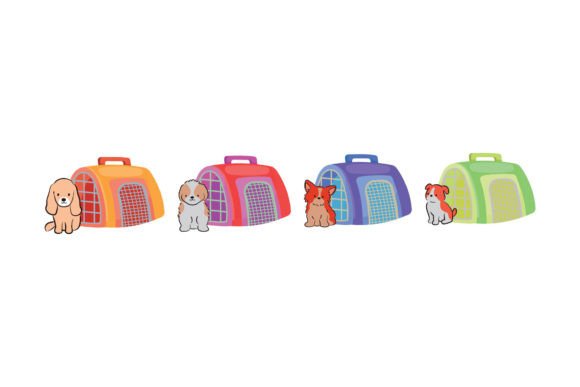
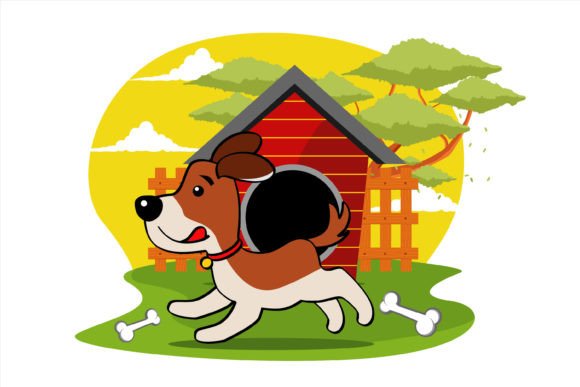
Opening Dog Houses with Pet Animal for the first time, I felt that familiar little lift—the kind you get when a design feels instantly *usable*. It’s not overly cutesy, not too literal, and avoids cartoonish exaggeration. The composition balances three cozy dog houses with small pet silhouettes peeking out or sitting nearby: a curled-up pup, a perked-up cat, and a tiny bunny. There’s gentle asymmetry, soft rounded edges, and breathing room between elements—exactly what I look for in an embroidery file meant for real-world stitching.
This isn’t just decoration; it’s storytelling with restraint. That matters when you’re embroidering a baby onesie or a linen tea towel for a boutique shelf. Customers don’t buy “dog houses”—they buy comfort, nostalgia, quiet joy. Dog Houses with Pet Animal delivers that tone without leaning on cliché.
Where It Shines: Real Projects, Real Stitching
I tested Dog Houses with Pet Animal across several actual product types—and it held up best where charm and clarity go hand-in-hand.
- Tote bags & aprons: On medium-weight canvas, the layout scaled beautifully at 3.5" wide. The spacing between houses kept fill stitch from bleeding, and the pets stayed legible even with subtle thread color shifts (I used ecru on natural linen).
- Baby items: As a sweatshirt chest emblem or pillow cover motif, it reads softly—not busy, not loud. Perfect for gender-neutral nursery decor or personalized holiday gifts. No tiny eyes or whiskers to vanish under satin stitch density.
- Patches & caps: At 2.75", the central house anchors well on curved surfaces. The pets remain distinct without relying on fine line work—critical for chenille or twill backing.
- Etsy listings & printable mockups: As an Illustrations asset, the clean vector-ready outlines (EPS, AI, SVG) make resizing for digital previews painless. PNG transparency holds up in layered lifestyle shots—no fuzzy halos.
Where to Pause—and Plan Ahead
Not every surface welcomes whimsy equally. Here’s where Dog Houses with Pet Animal asks for thoughtful prep:
- Thin or stretchy fabric: The open negative space between houses means stabilizer choice is non-negotiable. Use cutaway + tear-away combo on knits—otherwise, the outer house outlines can pucker or distort.
- Dark or textured backgrounds: On charcoal terry cloth or bouclé, the lightest interior details (like paw prints or window panes) risk fading visually. I recommend reinforcing those areas with a light running stitch outline—or simplifying them manually before stitching.
- Small hoop sizes (under 4"): The full layout needs breathing room. For hoops under 4", prioritize one house + its pet as a standalone embroidered patch rather than compressing the trio.
- Frequent-wash items (kitchen towels, baby bibs): Avoid dense fill stitches in roof textures if durability is key. A lighter fill density or strategic satin stitch accents hold up better over time.
What It Adds to Your Finished Product—Beyond Aesthetics
Using Dog Houses with Pet Animal in a craft business isn’t just about placing a design—it’s about reinforcing trust. When customers see clean, balanced embroidery on a handmade product, they read professionalism, care, and intention. That translates directly to perceived value: a $28 embroidered tea towel feels like a gift, not a craft fair afterthought.
For Etsy sellers and small shop owners, this design supports brand consistency without demanding custom illustration. It fits cleanly into spring collections, pet-themed launches, or neutral-toned baby lines—all while staying flexible enough for holiday gifting (add a red bow in your mockup, not the file).
And because it’s built as a Graphics asset—not a photorealistic scene—it scales gracefully across mediums: printed on packaging, stitched on a cap, or even adapted into a simple applique design with fabric scraps.
Practical Designer Notes Before You Stitch
Before committing to a client order or bulk run, here’s what I always do with a new embroidery file like Dog Houses with Pet Animal:
- Run a test on scrap fabric matching your final product—especially if using textured or dark material.
- Check thread color contrast in both black-and-white and grayscale mockups. Does the hierarchy hold? (Yes, in this case—the houses dominate, pets support.)
- Review stitch density in the roof textures and base outlines. Adjust if needed for your fabric weight.
- Confirm hoop size compatibility. The full layout fits comfortably in a 5x7 hoop—but verify your machine’s max dimensions.
- Inspect corners and inner curves. No micro-details hide in tight spots—this design respects embroidery’s physical limits.
- Use proper stabilizer: medium cutaway for stable fabrics, lightweight fusible + tear-away for wovens.
- Double-check licensing terms. Since this is listed as a Graphics asset with multiple file formats (JPG, EPS, AI, CDR, PNG, SVG), confirm whether commercial use of finished embroidered products is permitted—and whether resale of the digital embroidery file itself is allowed.
Final Thought: A Quietly Confident Design Choice
Dog Houses with Pet Animal won’t shout from a crowded craft fair table—but it will draw people in. It’s the kind of embroidery file that works hardest when you’re not trying to force it: on a linen pillow cover beside a reading nook, stitched simply on a child’s backpack, or grouped tastefully on a boutique apron. It earns its place not through complexity, but through considered simplicity—balanced spacing, intentional scale, and warmth that survives the needle.
If you’re curating design assets for a growing craft business—or choosing your next embroidered tote bag design for a holiday launch—this one earns a spot in your working library. Just remember: let the fabric guide the stitch, test before you commit, and trust the quiet strength of well-considered shape.