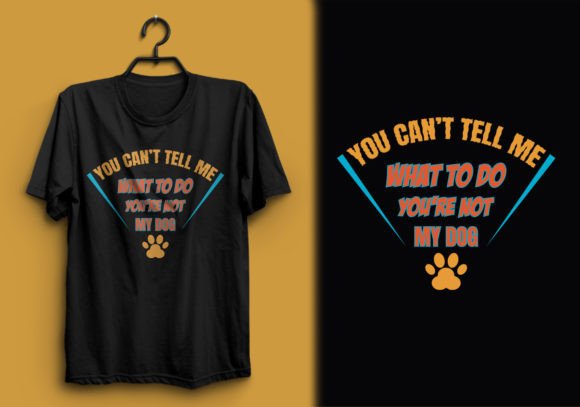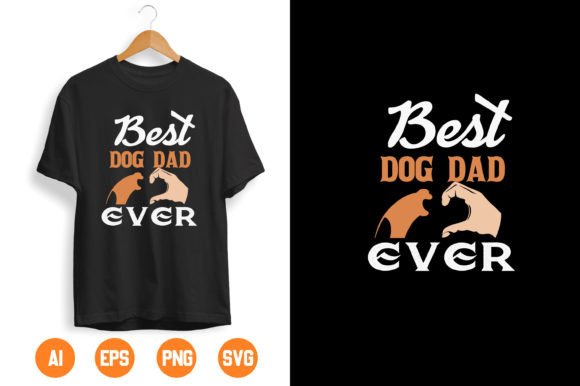
Dog T-shirt Design 49
First Impressions: A Friendly Canine on Fabric
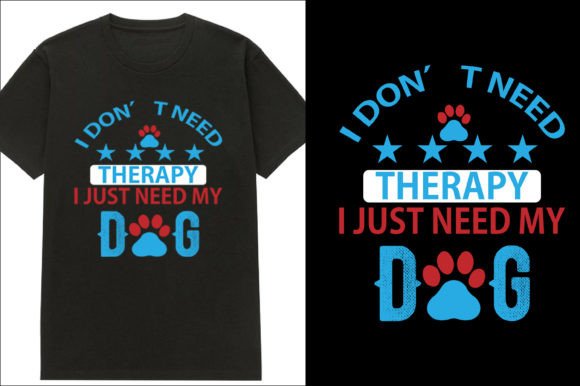
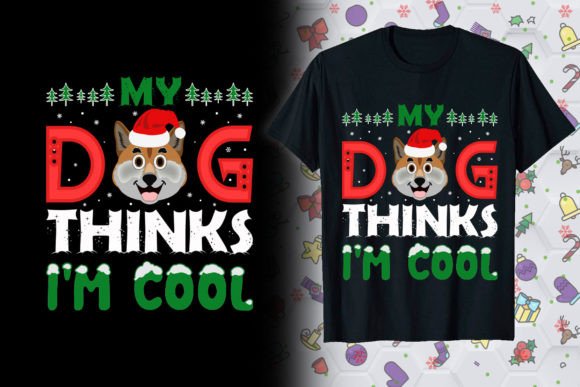
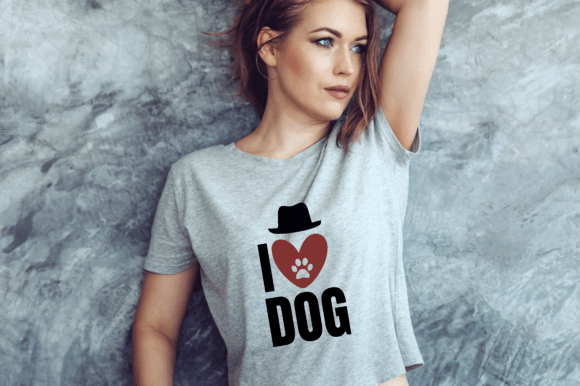
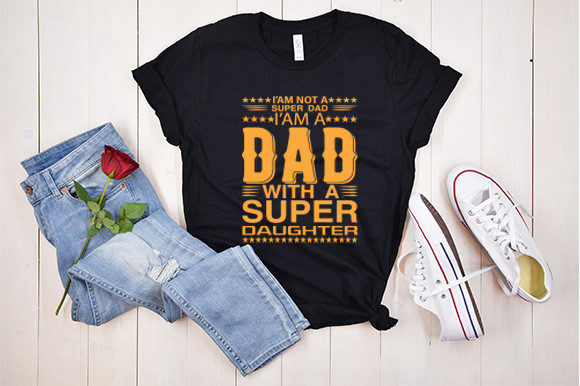
At first glance, Dog T-shirt Design 49 feels like a cheerful addition to any embroidery project. The design features a simple, cartoon-style dog with rounded ears and a friendly expression, rendered in clean lines and soft shapes. It has a playful yet approachable vibe that makes it immediately relatable. The layout is straightforward, with the dog centered and surrounded by subtle background elements that don’t distract from the main subject.
The design’s visual personality leans toward casual and family-friendly, making it ideal for personalized gifts or small business merchandise. Its simplicity allows it to adapt well to various fabric types and color schemes, which is a big plus for designers looking to offer versatile options.
Real-Life Use Case: Custom Embroidered Tote Bag
Let’s imagine I’m preparing a custom embroidered tote bag for a local boutique. The client wants something fun and recognizable for their customers. Dog T-shirt Design 49 fits perfectly here. The dog’s friendly face would stand out on a light-colored tote, adding a touch of charm without overwhelming the design.
I’d consider using it on a cotton canvas tote, where the soft texture of the fabric complements the design’s gentle lines. The dog’s shape is clearly defined, so even with a basic stitch density, it would remain recognizable. However, I’d also think about how the design might look on darker fabrics or different textures, as those could affect visibility and clarity.
Performance in Real Embroidery Situations
Dog T-shirt Design 49 performs well in most standard embroidery scenarios. It’s suitable for t-shirts, sweatshirts, and even baby clothes, where its simple form doesn’t require excessive detail. It’s also a great fit for embroidered patches, especially if the design is scaled down appropriately.
For items like caps or hats, the design’s compact size works well, but I’d be cautious about curved surfaces. The dog’s rounded shape might stretch slightly when stitched on a curved surface, which could affect the overall appearance. Similarly, on thin or stretchy fabrics, the design may not hold its shape as neatly, requiring additional stabilizer or careful placement.
When considering commercial use, I’d want to ensure the design is scalable and maintains quality at different sizes. Since the file is vector-based, it should resize easily without losing clarity, which is a major advantage for designers needing flexibility.
Where to Use Carefully
While Dog T-shirt Design 49 is versatile, there are situations where it might not perform as well. On dark fabrics, the contrast between the design and background can be low, making it harder to see. In such cases, testing thread color contrast is essential. For example, using a bright white or pastel thread on dark fabric could make the design more visible.
Small hoop sizes could also pose a challenge. If the design is too large for the hoop, stitching might become uneven or distorted. It’s important to check the hoop size compatibility before starting a project. Additionally, dense stitch areas or intricate details—though minimal in this design—might require more careful handling to avoid issues with stitch density or tension.
Products that need frequent washing, like kitchen towels or baby clothes, might benefit from a more durable design. While Dog T-shirt Design 49 is suitable for these uses, I’d recommend testing it on scrap fabric first to ensure it holds up over time.
Visual Appeal and Product Value
The visual appeal of Dog T-shirt Design 49 is strong, especially when used on light-colored fabrics. Its friendly tone and clean lines make it appealing to a wide audience, including families, pet lovers, and craft enthusiasts. This broad appeal can translate into higher customer trust and engagement, particularly for Etsy sellers or small shop owners looking to create marketable products.
From a product value perspective, the design offers good bang for the buck. It’s easy to customize, which means you can tailor it to different markets or seasonal themes. The ability to change colors and resize the design adds to its versatility, allowing for creative experimentation without sacrificing quality.
Design Notes for Embroidery Professionals
As an embroidery designer, I’d advise testing the design on scrap fabric before committing to a final product. Checking thread color contrast is crucial, especially for dark fabrics. Reviewing stitch density ensures the design remains clear and doesn’t appear too busy or sparse.
Confirming hoop size compatibility is another key step. Using proper stabilizer will help maintain the design’s shape and prevent puckering. Testing the design in black and white mockups can reveal any hidden issues with clarity or contrast. Comparing light and dark fabric backgrounds helps determine the best color scheme for the finished product.
Finally, it’s important to verify licensing terms before selling finished items or digital products. Ensuring that the design is properly licensed protects both the seller and the buyer, maintaining professionalism and trust in the craft business.