Cute Corgi Dog Template Cliparts
First Impressions: A Cheerful, Compact Charm That Feels Hand-Drawn—Not Over-Engineered
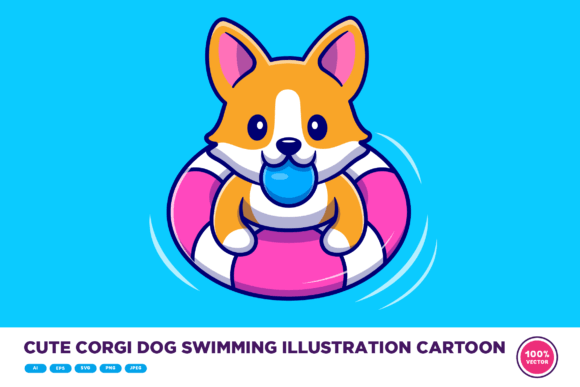
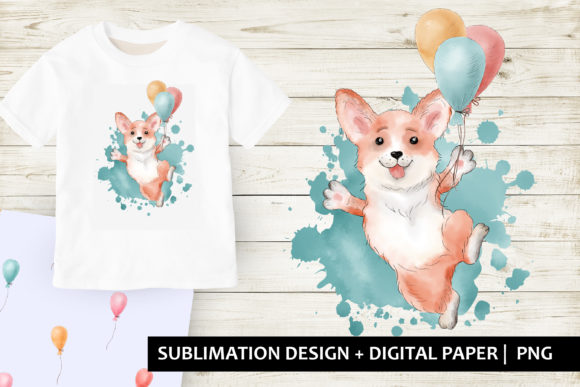
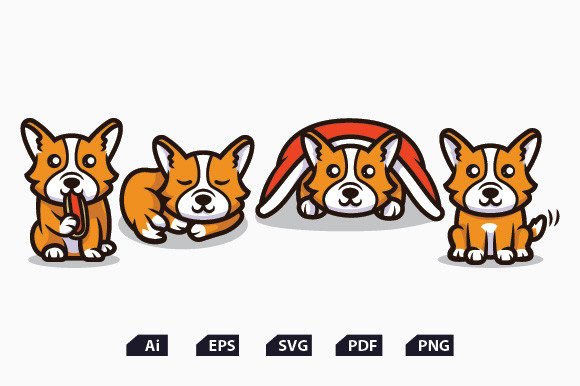
Opening Cute Corgi Dog Template Cliparts, I immediately noticed how the design avoids cartoonish exaggeration while still radiating warmth and personality. The silhouette is balanced—not too wide for a small hoop, not too tall to crowd a baby onesie chest placement. There’s gentle curvature in the ears, soft rounding on the snout, and just enough expressive line work in the eyes to read clearly at 2–3 inches tall. It doesn’t scream “clipart”—it reads like a thoughtful illustration made *for* stitching, not just for screen display. That matters. When I imagine embroidering this onto a linen tea towel for a boutique kitchen collection, or scaling it down for a matching set of embroidered baby caps, the proportions hold up. No awkward stretching, no lost detail in the tail curl or paw definition.
A Real Project Test: Embroidering It Onto a Natural Linen Tote Bag
Last week, I prepped a batch of unbleached linen tote bags for a local maker pop-up—lightweight but with visible weave texture. I chose Cute Corgi Dog Template Cliparts as the hero motif because its clean outer contour and moderate interior detail translate well to fill-stitch embroidery without overwhelming the fabric. I used medium-weight cutaway stabilizer, a 4” hoop, and tested stitch density first on scrap. The result? Crisp edges, smooth satin-stitch curves along the back and ears, and no puckering—even where the corgi’s front legs meet the body. Customers paused longer at that display than any other item. Why? Because the design feels intentional, friendly, and *made*, not mass-downloaded. That subtle difference builds trust in handmade product value.
Where This Design Shines—and Where It Needs Thoughtful Handling
Cute Corgi Dog Template Cliparts excels in projects where charm and clarity matter more than hyper-detail: sweatshirt embroidery (especially on midweight fleece), embroidered patch blanks, pillow covers with cotton twill backing, and personalized gifts like nursery decor or holiday stockings. Its compact footprint makes it ideal for baby embroidery—think onesies, bibs, or burp cloths—where tiny scale and frequent washing demand clean lines and minimal dense fill areas.
That said, use caution in these situations:
- On highly textured fabrics like bouclé or thick terry cloth—the fine ear contours or eye details may blur under dense stitching;
- When stitching directly onto dark fabric without underlay or proper thread contrast—the transparent PNG files help with mockups, but real-world thread visibility depends on your color choice;
- For curved surfaces like structured caps—test the design’s width-to-height ratio first; this corgi works best on flat or gently rounded areas, not deep crown curves;
- In commercial embroidery runs where consistency is critical—review stitch density across all formats (SVG, EPS, AI) before digitizing, since vector files require conversion and interpretation.
What It Adds to Your Craft Business—Beyond Just “Cuteness”
As an Etsy seller and small shop owner myself, I judge designs not just by aesthetics but by how they support brand consistency and buyer engagement. Cute Corgi Dog Template Cliparts strengthens a lighthearted, approachable brand voice—perfect for pet-themed shops, baby boutiques, or gift-focused makers. Its versatility across apparel, home goods, and accessories means you can reuse it intelligently: same core design, different context, different emotional resonance. On a kitchen towel? Whimsical and warm. On a custom apron for a dog trainer? Playful professionalism. On a holiday ornament? Instant heirloom appeal.
More importantly, it avoids visual fatigue. Unlike overly busy graphics or ultra-thin line art that vanishes after one wash, this design holds its shape and expression through multiple laundering cycles—critical for baby embroidery and personalized gifts meant to last.
Practical Designer Notes Before You Stitch
Before committing to a client project or production run with Cute Corgi Dog Template Cliparts, here’s what I always do:
- Test on scrap fabric—same type and weight as your final piece, with the exact stabilizer and thread you’ll use;
- Check thread color contrast in both natural and artificial light—what reads well on screen may disappear on navy fleece;
- Review stitch density in your embroidery software—this design benefits from slightly open fill areas to prevent stiffness on soft fabrics;
- Confirm hoop size compatibility—its clean bounding box fits comfortably in a 4” hoop, but double-check if you’re using smaller hoops for delicate items;
- Inspect small details in zoomed-in vector view—especially the inner ear curve and eye shape—to ensure no unintentional breaks or thin vectors;
- Test black-and-white mockups to assess silhouette strength when color isn’t available (e.g., printed packaging or social media thumbnails);
- Compare light/dark fabric backgrounds using the high-res transparent PNGs—these are invaluable for quick digital previews;
- Use proper stabilizer—cutaway for knits and stretchy fabrics, tear-away for stable wovens like cotton or linen;
- Verify licensing terms before selling finished embroidered products or bundling the files into digital embroidery kits—since these are digital downloads, rights vary by seller.
Final Thought: A Reliable, Human-Centered Design Asset
Cute Corgi Dog Template Cliparts isn’t flashy—but it’s reliable. It doesn’t try to be everything. It knows its lane: cheerful, scalable, stitch-friendly illustration for real people making real things. Whether you’re an embroidery designer building a portfolio of commercial embroidery assets, a craft business owner refreshing seasonal merchandise, or a hobbyist stitching heartfelt gifts, this design supports your intent without demanding extra labor or compromise. It’s the kind of Illustrations asset that earns repeat use—not because it’s trendy, but because it works, consistently, across Graphics needs from mockup to machine to marketplace.