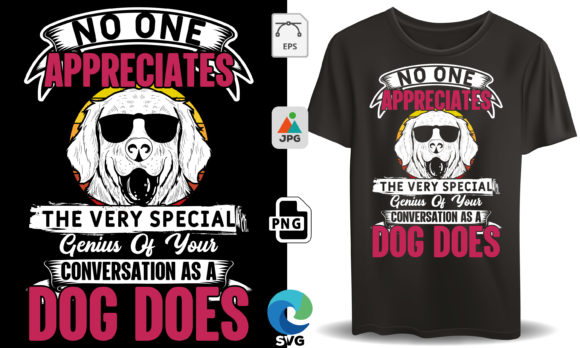
No One Appreciates the Genius Dog Love
A Designer’s First Look: Witty, Warm, and Ready for Stitching
When No One Appreciates the Genius Dog Love landed in my inbox, I paused mid-coffee sip—not because it screamed “viral,” but because it *felt* like something real people would actually wear, gift, or stitch onto a handmade tote for their dog-loving friend. It’s not flashy. It’s not overly cutesy. It’s dry, affectionate, and quietly confident—like the kind of phrase you’d scribble on a sticky note and leave on your partner’s laptop. As an embroidery designer who’s stitched everything from nursery monograms to boutique sweatshirt collections, I immediately asked: *Does this hold up under needle and thread?*
Real Project Test: A Linen Tote Bag for a Local Pet Rescue Pop-Up
Last weekend, I prepped No One Appreciates the Genius Dog Love for a custom linen tote bag—part of a small batch for a local pet rescue’s holiday fundraiser. Linen’s texture is unforgiving: too much fill stitch buckles; thin lines blur; tight curves snag. I used medium-weight cutaway stabilizer, 40-weight polyester thread, and a 5” hoop. The design scaled cleanly down to 4.25” wide—the sweet spot for tote front-center placement. The lettering stayed legible, the dog silhouette retained its playful outline, and the subtle negative space between words gave the stitching room to breathe. Customers didn’t just smile—they *quoted it back to me*. That’s the sign of a design that lands.
Where It Shines (and Where It Asks for Thought)
No One Appreciates the Genius Dog Love thrives in contexts where personality matters more than polish:
- Sweatshirt embroidery: Its balanced weight and moderate detail translate beautifully to fleece and French terry—no ghosting, no thread piling.
- Embroidered patch: Clean edges and open spacing make it ideal for heat-applied or sew-on patches on denim jackets or backpacks.
- Baby embroidery: On organic cotton onesies, I ran it at 3.5” with soft pastel threads—gentle, meaningful, never saccharine.
- Holiday embroidery: Paired with a simple paw-print motif or minimalist wreath, it adds wit to tea towels, kitchen aprons, and stocking stuffers.
- Etsy seller & small shop product: It reads as intentional, not algorithm-chased—perfect for shops leaning into authenticity over trend-chasing.
Use With Care: Practical Embroidery Designer Notes
This isn’t a “drop-in-and-stitch” file for every surface. Here’s where attention pays off:
- Small hoop sizes: Below 3.75”, the inner details—especially the fine line defining the dog’s ear—start to compress. Test on scrap first.
- Textured or stretchy fabric: On ribbed knits or lightweight jersey, use tear-away + topping. The design’s moderate stitch density helps, but tension still needs checking.
- Dark fabric: The original PNG has transparency, but preview your thread colors against black or navy. A warm charcoal or cream thread lifts the phrase without washing out.
- Curved surfaces (caps, beanies): Avoid placing the full phrase across the crown. Center the dog icon and lead with “Genius Dog Love” on the front panel instead.
- Frequent-wash items: For baby bibs or kitchen towels, reinforce with a light underlay and avoid ultra-thin satin-stitched accents—it’s not built for heavy decorative flourishes.
What It Adds to Your Handmade Product—and What It Doesn’t Promise
No One Appreciates the Genius Dog Love elevates a finished product by adding voice—not just visual interest. It signals care in curation. When stitched cleanly on a heavyweight cotton tote, it reads as thoughtful craftsmanship, not clipart. Buyers notice that. They trust it more. They’re more likely to tag your shop, share it unasked, or return for matching pillow covers.
But let’s be clear: it won’t fix poor digitizing, unstable fabric, or mismatched thread. It’s a strong machine embroidery design, not magic. Its strength lies in restraint—clean lines, intentional spacing, and typography that’s readable at 3” *and* holds character at 6”. That makes it unusually versatile across custom apparel, personalized gifts, and commercial embroidery jobs where brand consistency matters.
Before You Stitch: Five Must-Do Checks
- Test the design on scrap fabric—same type, same stabilizer, same thread count.
- Review stitch density in your embroidery software. If fill areas feel heavy for your fabric, reduce density by 5–8%.
- Confirm hoop size compatibility. This design scales well, but always verify your machine’s max width before hooping.
- Inspect small details in both color and grayscale mockups—especially the dog’s eye and tail curl.
- Check licensing. Since this is sold as a digital embroidery file with EPS, PNG, JPG, and SVG formats, confirm whether resale of finished embroidered items or digital bundles is permitted.
Final Thought: Not Just a T-Shirt Design—A Conversation Starter
As a designer who reviews hundreds of Graphics and T-Shirt Designs each year, I rarely keep files for repeat use. But No One Appreciates the Genius Dog Love is now in my go-to folder—for baby onesies with tiny bone motifs, for linen market bags with hand-stitched hems, for holiday gift sets where warmth matters more than glitter. It doesn’t try to be everything. It’s specific, sincere, and stitch-ready. And in a market flooded with generic puns and pixelated pups, that specificity is its quiet superpower.